Insights from the 2026 AMO Barometer Roundtable: Navigating the Future of Fleet
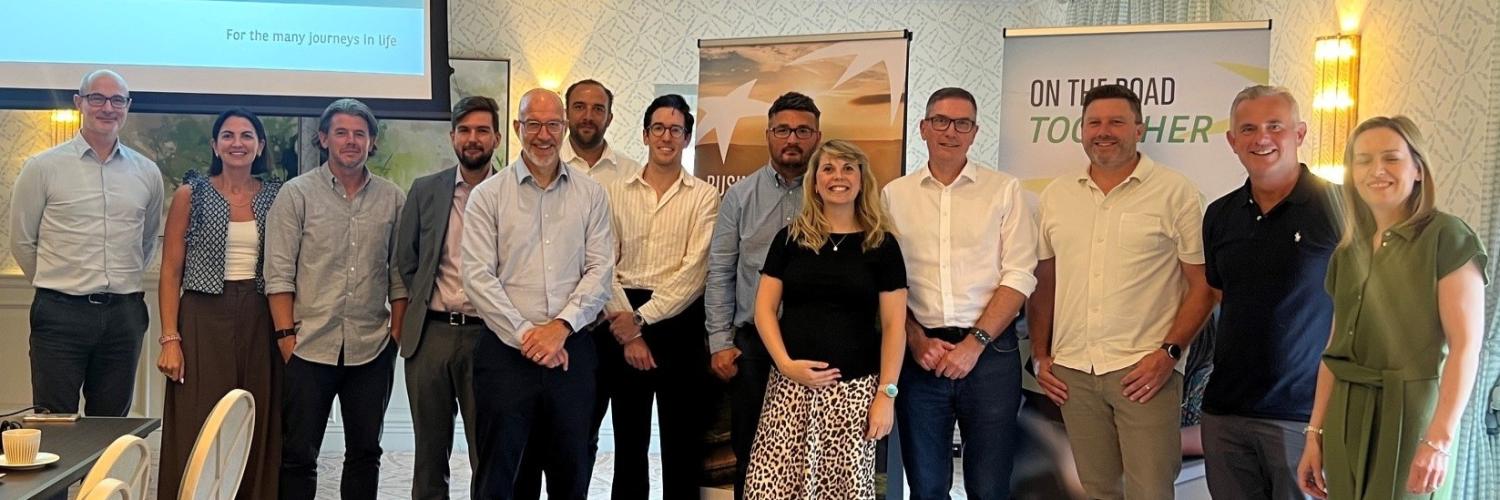
Last month, Arval UK hosted the 2026 AMO Barometer roundtable at PennyHill Park, bringing together a select group of industry leaders and economic experts. The event provided a forum to dissect complex challenges currently facing the fleet management sector and to forecast the trends that will define the coming years.
From the immediate pressures of the UK's economic climate to the long-term evolution of autonomous mobility, the discussions provided a comprehensive overview of the risks and opportunities ahead. Below, we share the key insights and highlights from our expert speakers.
The Economic Landscape: Stability Amidst Volatility
Paul Hollingsworth, MD of DM Economics (BNP Paribas CIB), opened the discussion by addressing the short-term economic reality.
- When geopolitical rivalry is active, and economic security under threat, economic interdependence is harder to achieve. US imposed tariffs are unlikely to disappear at the end of US President Trump’s presidential term, or with the re-instatement of a Democratic government.
- If we look at history, volatility is the norm – and the UK’s current economy is not as bad as it has been portrayed. We are not yet in a recession.
- Economic opportunities in the UK are fragmented, varying greatly by region. New Labour PM Andy Burnham is focused on reindustrialisation. Having already engaged with regional Labour constituents, Burnham is arguably more focused on this than former PM Sir Keir Starmer. He’ll need to overcome structural challenges and work within Labour’s existing manifesto – which could mean limited taxation changes at a macro level but lots at a micro level.
- AI will create new jobs and support a stronger economy. In the past, the two biggest technological developments, electricity and the internet, created fear around job losses but, ultimately, created opportunity.
The Current State of Fleet: AI and Electrification
Stuart Gibbons, Director of Product & Marketing at Arval UK, led the conversation on the immediate state of fleet management.
- Overall, the consensus from discussions was that AI is being used, to help with policy, content, and how customers digest information. Training is being rolled out across companies and proactive use is encouraged. The focus now lies on how AI can provide added value. Lease companies can better support by providing access to quality, consolidated data.
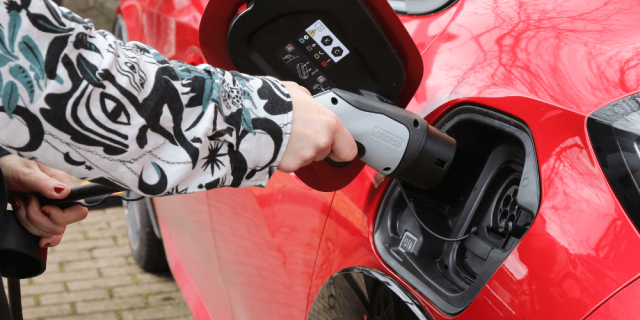
- When it comes to electrification of fleets, some companies are experiencing great roll-out success, in the UK and across markets. The key is total commitment and making the transition as easy as possible for the driver, investing in creative, innovative and cost-effective ways to support transition.
Policy, Taxation, and Transition Risks
Thomas McLennan, Director of Policy and Public Affairs at BVRLA, provided a critical analysis of the mid-term regulatory environment.
- Starmer set the scene for Labour’s viewpoint on sustainability which was sometimes passive. Uncertainty was compounded by the 2025 Autumn Budget, and it’s been made clear to Labour that the approach cannot be repeated. Burnham’s appointment creates a new state of flux.
- Burnham is focused on reindustrialsation and shifting wealth more evenly across the UK. He’ll be looking to level up the North without taking away from the South. People will want to feel wealthier right away.
- The future of salary sacrifice is stable for now, however uncertain in the long term – although confirmation that academies and schools can offer this is positive. Clear guardrails are required from HMRC.
- The Government appears fully committed to EV and batteries as the path to Net Zero. Any disagreements are only within departmental factions, which could impact the pace of investment, and therefore adoption
The Fleet of the Future
Looking toward the long term, John Peters, Head of Consulting at Arval UK, urged a pragmatic approach to innovation.
- Lofty innovations shared in the news headlines, such as driverless and flying cars, should be taken with a pinch of salt, as any testing and tolerance can take much longer in the UK than in other markets – such as the US and China – due to regulations. The UK (rightly) puts up safety red tape which means any change will be incremental and evolutionary.
- We’re already seeing driverless vehicles in more controlled commercial environments, such as ports, airports and power stations, and elements of driver assistance in new vehicle technology.
- People’s attitudes to autonomous vehicles are improving but remain low (especially among certain age and demographic groups).
- Transport modes in the UK are likely to remain varied until one type meets the requirements of cost, convenience and personal safety.
- Attitudes to what vehicle life cycles, and vehicle ownership, should be, are changing – thanks to battery warranties and concerns around Residual Values ahead of resale. Fleet managers could consider extending leasing contracts/contracts with employees.
- It’s no longer just about the range of EV choice, when it comes to policies. The requirement for EVs is starting to pivot to faster charging.
Explore the Full Findings
If you would like to dive deeper into these trends, we invite you to read the full Arval Mobility Observatory Barometer Report for a comprehensive analysis of the fleet landscape. We are also looking ahead to our next roundtable event coming next year; if you wish to contribute to these vital industry conversations and join our next session, please get in touch with our team today.
Please note AMO Barometer roundtable events are non-commercial.